SKIN CONCERNS
Acne Scarring
Acne scarring in your 30s can remain long after active breakouts have settled, often appearing as uneven texture, indentations, lingering redness or areas of post-inflammatory pigmentation. Scarring can develop when inflammation affects the deeper layers of the skin, and its appearance may become more noticeable over time as collagen production and skin renewal gradually begin to slow.
A consistent, targeted skincare routine can help support skin renewal and improve the overall appearance of acne-affected skin. Ingredients such as retinoids, exfoliating acids, antioxidants and barrier-supporting formulas can help refine texture, improve uneven tone and support a smoother-looking complexion. Daily broad-spectrum SPF is also essential, as UV exposure can make post-acne marks and pigmentation appear darker and more persistent.
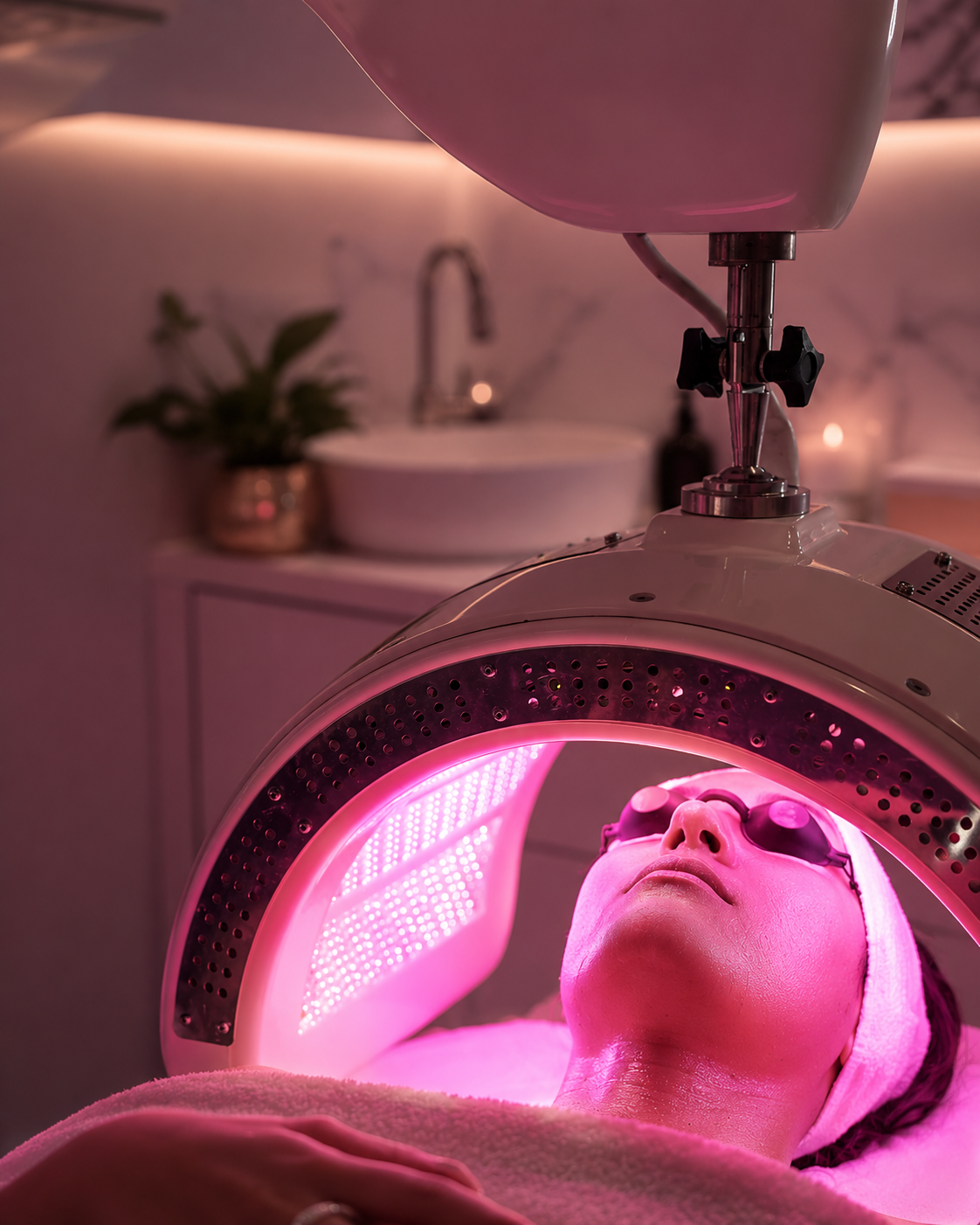
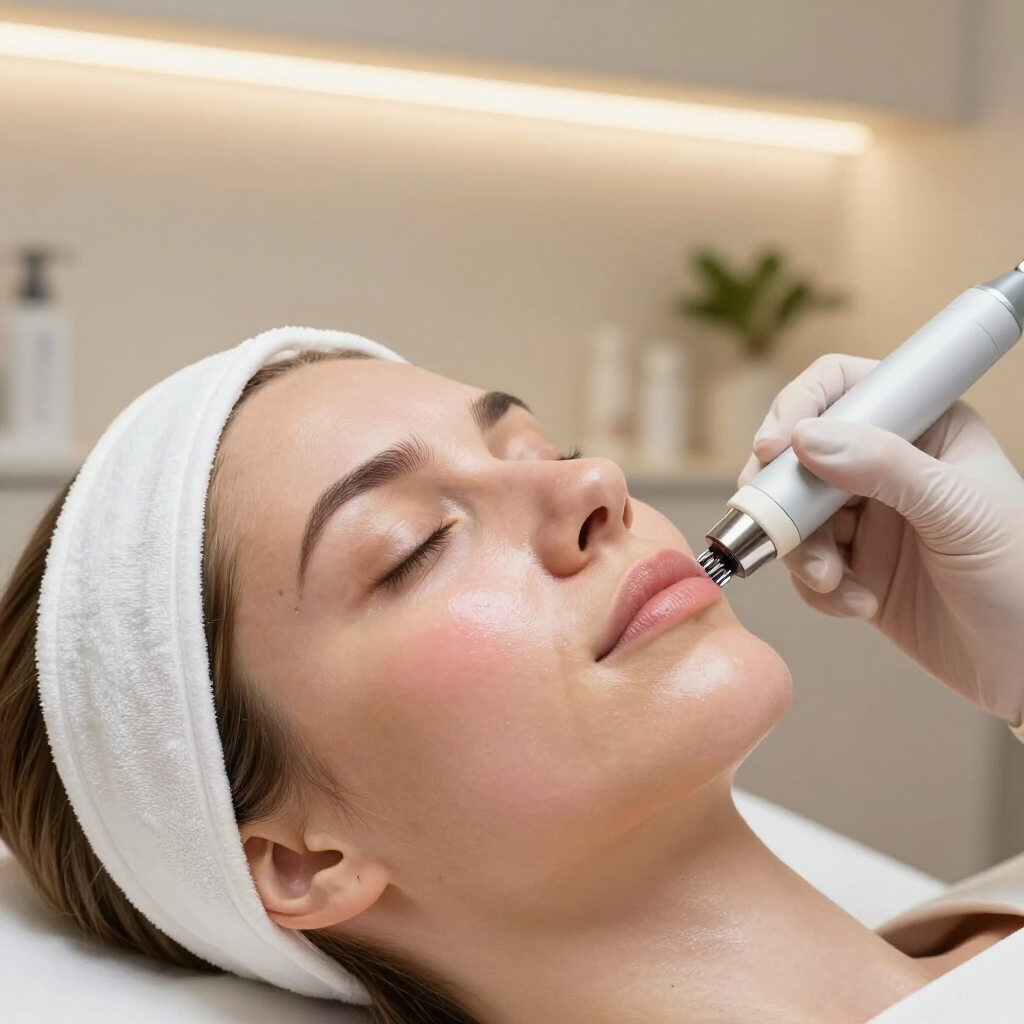
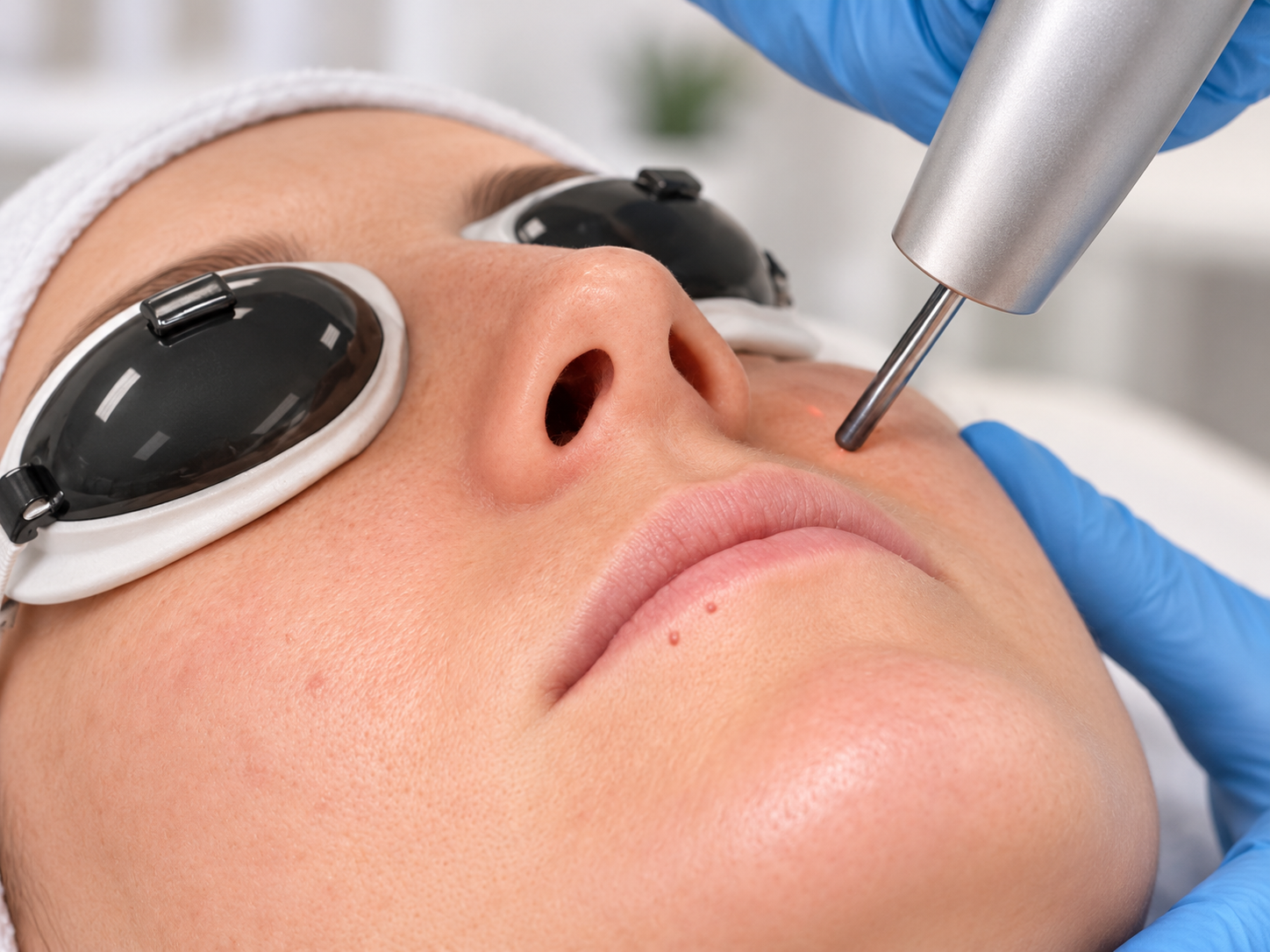
Professional treatments can further support acne scarring by targeting uneven texture, pigmentation and areas of reduced collagen. Treatments designed to encourage collagen production, stimulate skin renewal and improve overall skin texture can help soften the appearance of acne scars and support smoother, clearer and more even-looking skin over time.
Lifestyle and skin health can also influence how the skin repairs and responds to treatment. Sun exposure, stress, sleep, nutrition, ongoing breakouts and skin-picking habits can all affect healing and the appearance of scarring, which is why a personalised approach is often the most effective.
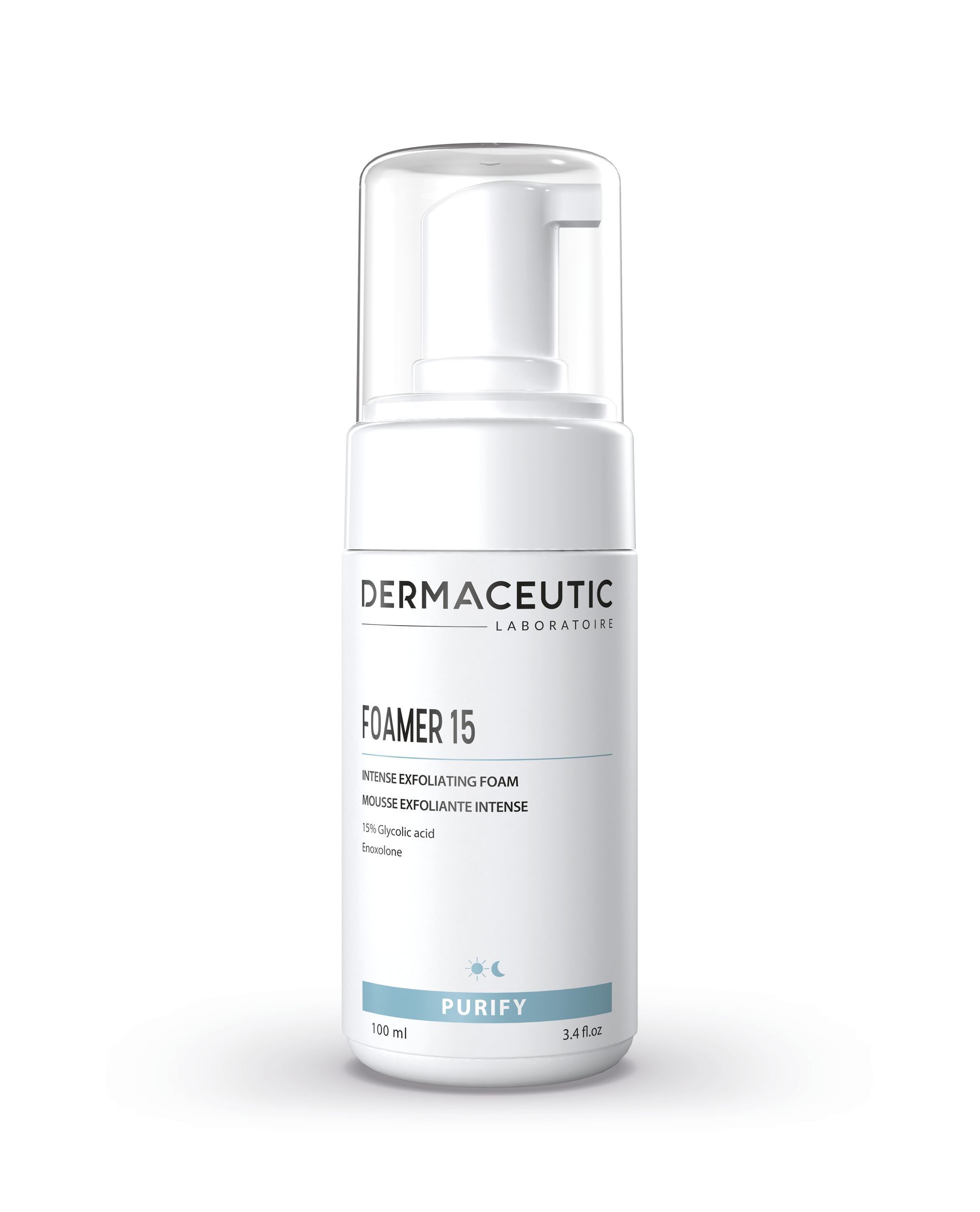
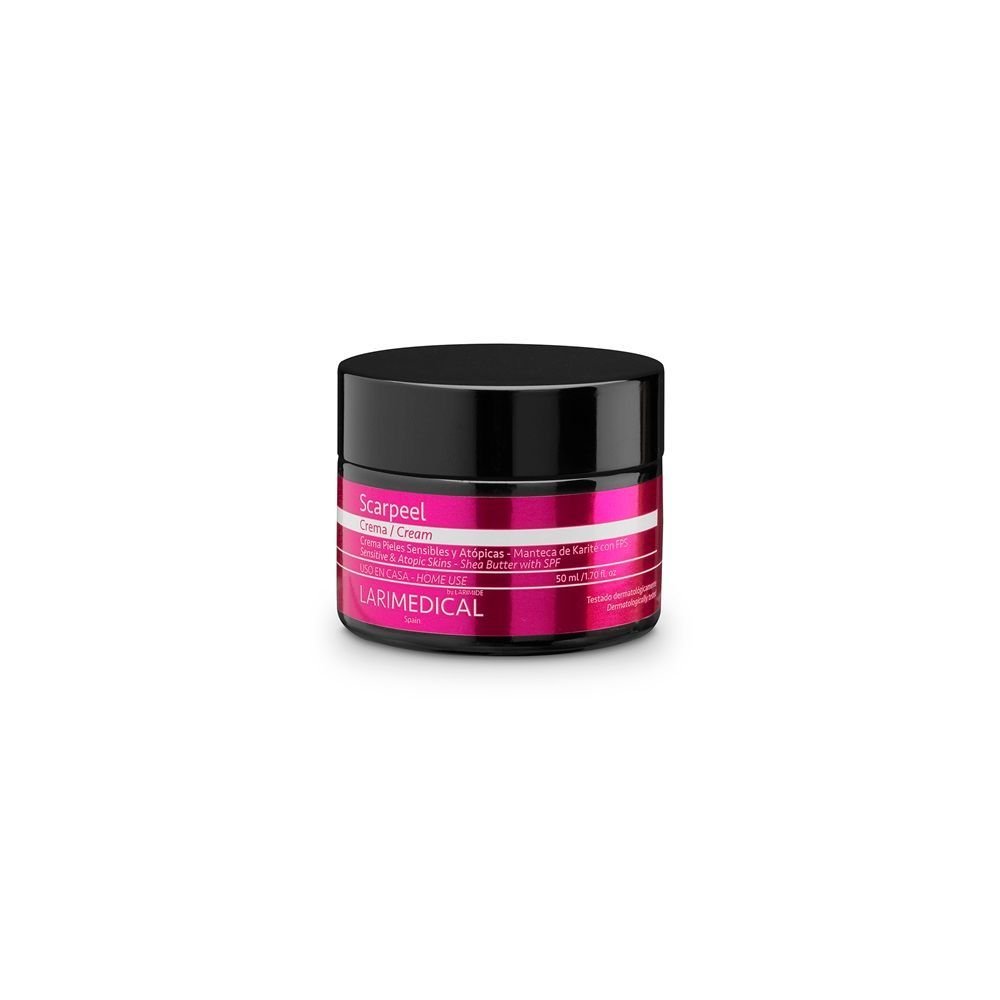
Explore our recommended treatments and products designed to improve the appearance of acne scarring, support collagen and skin renewal, and help achieve smoother, clearer and more even-looking skin throughout your 30s.